



Future Of Europe
-
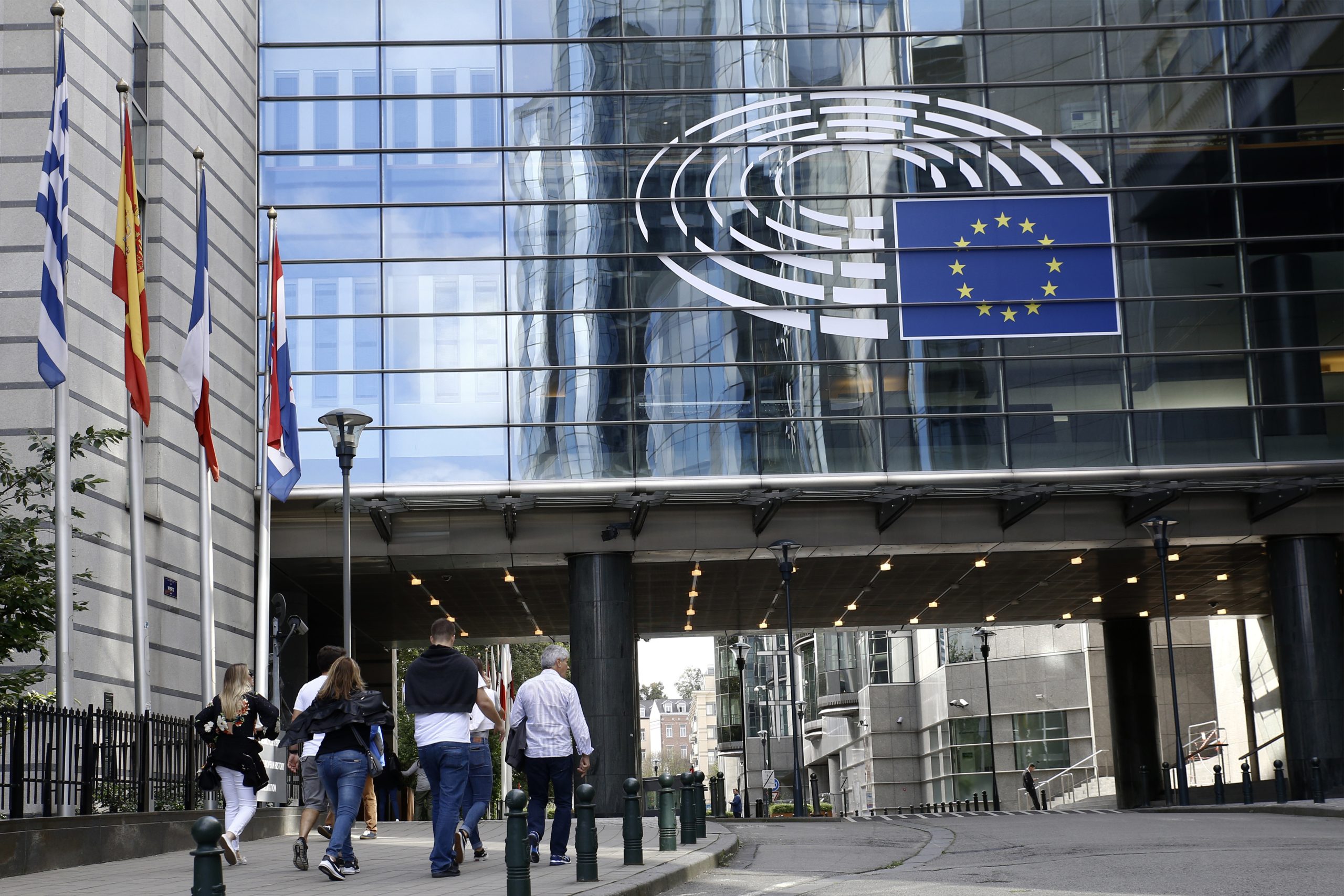
The Freedom of the Mandate vs. Last Minute Modifications of the EP’s Rules of Procedure Ahead of the European Elections
European elections are right around the corner. The decision of the European Council has set the period of 6-9 June 2024 to be the next European elections. The MEPs are campaigning, while the last plenary session of the European Parliament
-

Is It Possible to Enhance Accountability Through a Procedure Lacking Transparency?
The European Commission published its proposal regarding the establishment of an interinstitutional EU ethics body in June 2023. The European institutions, particularly the European Parliament, had faced serious scandals and some of its Members faced criminal investigations. It is clear
-
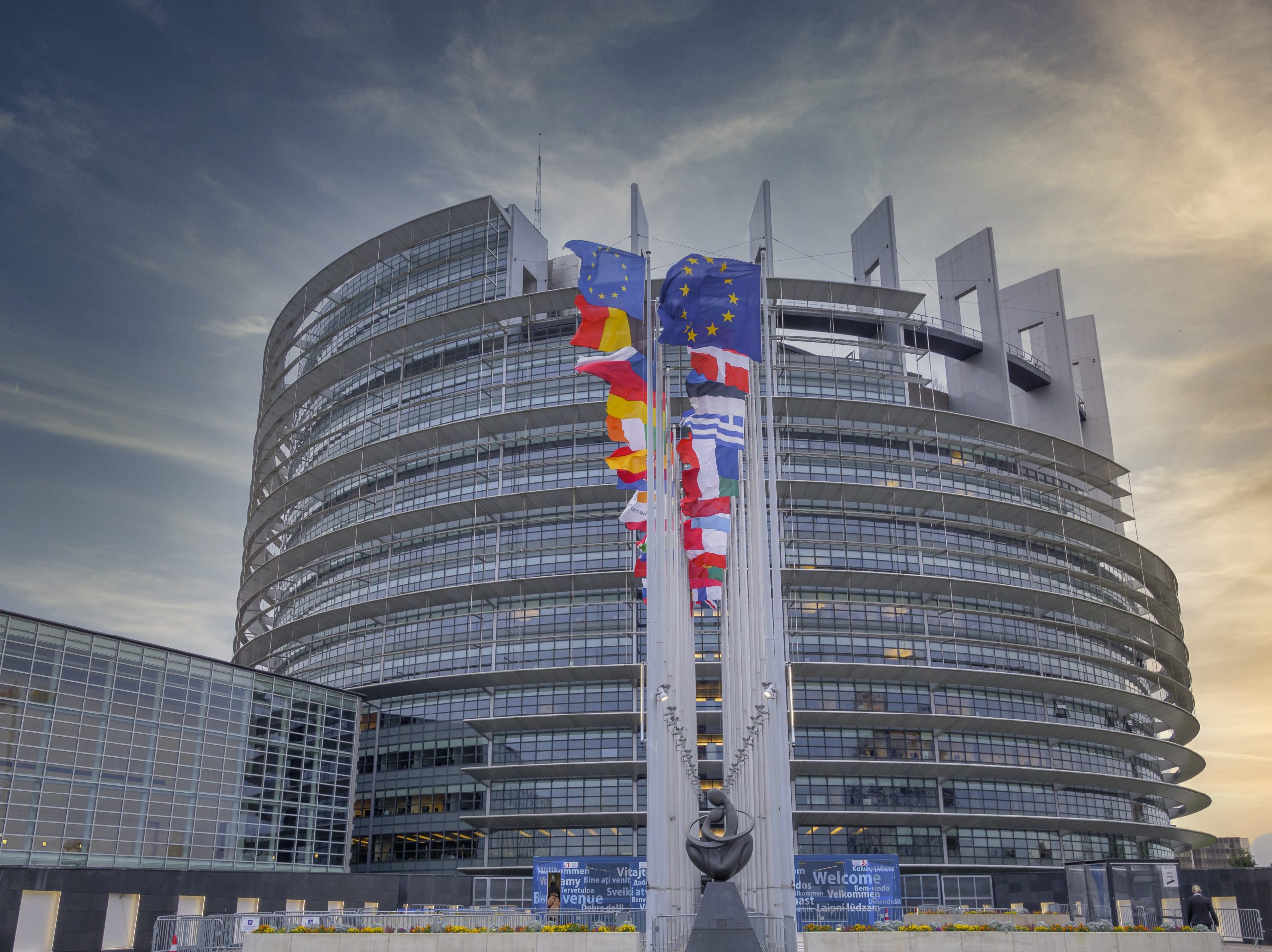
Who’s Running the Show? Control Over National Parliaments Through the Modification of the Rules of Procedure of the European Parliament
The Constitutional Affairs Committee (AFCO) of the European Parliament (EP or Parliament) adopted recently a proposal to change the Rules of Procedure of the Parliament. The committees of the EP would be able to scrutinize the activities of national parliaments
European Values
-

Battle in the house? – The European Parliament initiates proceedings against the European Commission
Tension between Hungary and Poland and the European Parliament has considerable increased in the past years. The Parliament has been speaking up against these countries openly and was pressuring the Commission to take measures against these Member States. Roberta Metsola’s
-

Family matters – Irish voters against constitutional change
Ireland is known for its conservative constitution and direct democratic system, relying on referendum in most major government decisions. Article 46 of their Constitution prescribes submission of a Referendum for every amendment proposal of the Constitution to the decision of
-
Rule of Law and Academic Freedom (?): Reflections on Hungary’s Case with the Planned Suspension of Erasmus+ and Horizon Europe Funds
In January 2023, the European Commission announced the potential suspension of Erasmus+ and Horizon Europe funds for 21 Hungarian universities. While the discussion is still ongoing, some early conclusions could be drawn on whether this measure complies with the rule
Tech & AI
-

EU AI Act: Some Considerations to Think About—Part II.
One might rightly ask, why is it important for a piece of legislation what science thinks about intelligence, or what specific technology lies behind a sound marketing slogan? Well, the AI Act has a dedicated purpose to protect the citizens of
-
EU AI Act: Some Considerations to Think About—Part I.
The European Union AI Act will certainly be a piece of legislation that will fundamentally change the way AI-based systems can operate in the EU, and perhaps even in the world. The draft has been criticized a lot in the
-

AI for children
How do we ensure that AI is used for good? This is the question that has been debated extensively for the last few years now, especially after we have received news that chips are now being implanted to humans, creating a
Free Speech & Privacy
-

The Right to Be Forgotten as a Legal Instrument for Expanding Informational Self-Determination in the Digital Age?
Since the advent of the Internet, the issue of human privacy remains one of the most controversial and problematic in the legal literature. The processing of personal data on the Internet is becoming more common, and nowadays it is an
-

European Media Regulation and State Sovereignty: The Tug-of-War Behind the European Media Freedom Act (Part II.)
In the first part of our blog post, we explored the European Media Freedom Act (EMFA) and its intent to promote media freedom and pluralism across the EU. Despite its commendable goals, we examined concerns that the EMFA may infringe
-

European Media Regulation and State Sovereignty: The Tug-of-War Behind the European Media Freedom Act (Part I.)
In the latest chapter of the European Union’s regulatory endeavors, the Council has adopted the European Media Freedom Act (EMFA), a legislative act that ostensibly aims to enhance media freedom, ensure media pluralism, and uphold editorial independence across the EU’s